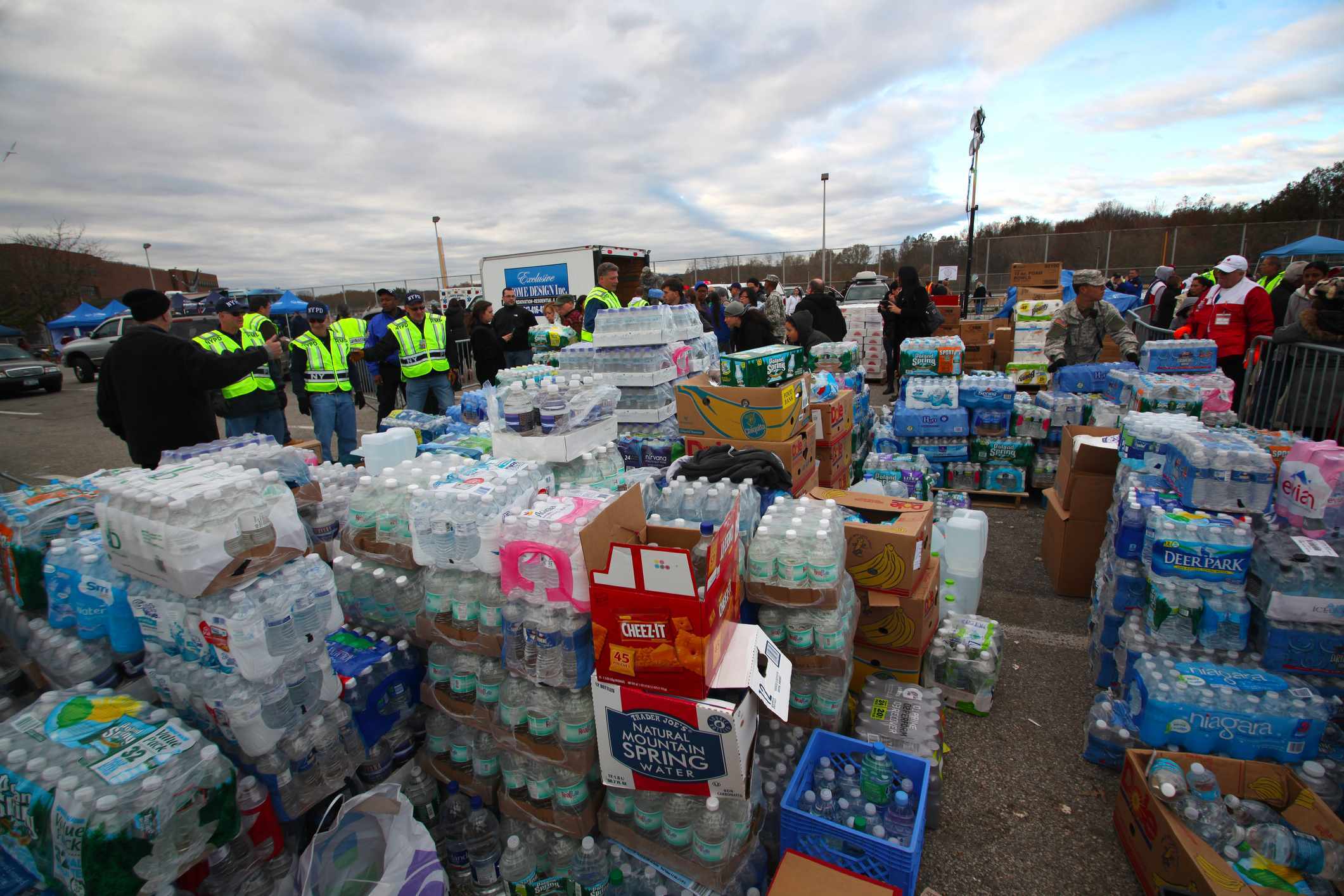
In a disaster, delay is measured in lives. Blocked roads and broken supply chains mean aid has to be planned precisely. Every kilogram on a relief flight has a cost, and every hour without shelter or clean water only makes the crisis worse.
That’s why the material properties of everything in a relief kit matter. Weight, durability, compactness, ease of assembly, resistance to heat and moisture, and cost at scale all determine what gets to people and how quickly. When you weigh those criteria, there’s no practical substitute for plastic in the current humanitarian toolkit.