
Skip to content

5 New Frontiers in Plastics Recycling and Material Innovation

A new generation of recycling innovation is changing the fate of plastic waste. Researchers and entrepreneurs are exploring unexpected processes or producing unconventional outcomes that go beyond traditional recycling.

In some instances, they show how plastic waste can become a resource for industries ranging from pharmaceuticals to advanced manufacturing.

Here are five innovations that illustrate how recycling ingenuity is expanding the possibilities for plastic.
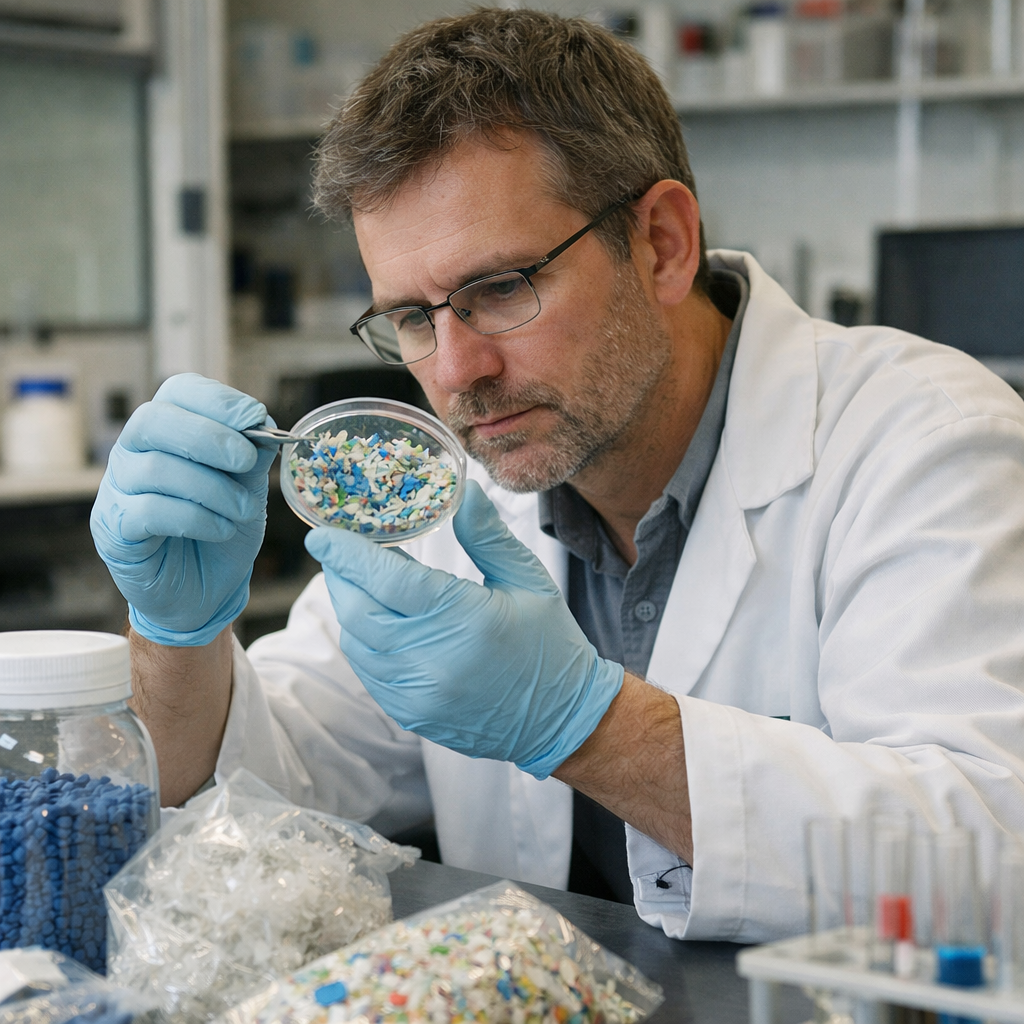
 

1. Turning Recycled Plastic Into Medicine

Researchers at the University of Edinburgh discovered a way to convert molecules from recycled PET plastic into paracetamol, one of the world’s most widely used pain relievers. The process uses genetically reprogrammed E. coli bacteria to transform terephthalic acid, a compound derived from PET, into the active ingredient in the medication.

This research highlights how recycling technologies can intersect with biotechnology. Plastic waste becomes a chemical feedstock that supports pharmaceutical production. The concept shows how materials traditionally viewed as waste can contribute to entirely different industries.

If these processes scale successfully, recycled plastics could supply raw materials for valuable chemical products while reducing dependence on fossil resources.

2. Recycling Tennis Balls Into New Materials

Millions of tennis balls are discarded every year after they lose pressure or performance. Their mixed construction of rubber cores and felt coverings makes conventional recycling difficult.

The RecycleBalls program addresses this challenge through a national collection and recycling initiative. Used tennis balls are gathered from clubs and facilities and processed into materials used in sports surfaces, playground flooring, and court infrastructure. The organization also introduced the concept of “no trash” dog balls, allowing pet owners to purchase used tennis balls for play. After the balls have been fully worn out, dog owners can return them through the program so the materials can be recycled rather than discarded.

This is an example of how targeted recycling systems can recover materials from products that were once considered unrecyclable. A focused approach helps capture value from specialized waste streams while reducing landfill disposal.

3. Reimagining Multilayer Packaging for Recycling

Multilayer packaging is widely used to protect food and consumer products. Each layer often serves a different purpose such as moisture barriers or structural strength. These layers usually consist of incompatible materials that cannot be separated during recycling.

Researchers at Michigan State University developed a redesigned multilayer structure that keeps all layers within the same polymer family. The packaging maintains performance while allowing the entire structure to move through recycling systems more easily.

This approach demonstrates how innovation in packaging design can improve recycling outcomes. Materials engineered for compatibility reduce processing challenges and increase the likelihood that packaging can be recovered and reused.

4. Extracting Polypropylene From Mixed Waste

Polypropylene is one of the most common plastics used in packaging and consumer goods. Recovering it from mixed plastic waste streams can be difficult.

Plastinuva, a startup building on research from the University of Toledo, developed a process that separates polypropylene from mixed waste and converts it into a high-quality powder suitable for manufacturing. The recycled powder can serve as feedstock for new plastic products.

Technologies like this increase the value of recycled plastics by producing materials that perform similarly to virgin resin. As separation methods improve, more plastics can be returned to the manufacturing cycle instead of being discarded.

5. Building and Breaking Plastics With Light

Scientists at Eindhoven University of Technology are exploring a new class of plastics that can be created and broken down using LED light. The same light-driven chemical reactions that build the material can later trigger its breakdown.

Materials designed with this reversible chemistry could simplify recycling processes in the future. Products could be dismantled with targeted light exposure, making recovery more efficient.

This research represents a new way of thinking about plastics. Engineers are designing materials with their entire lifecycle in mind, including how they will be recovered and reused.

What Plastic Producers Can Learn From These Innovations

For plastic producers and manufacturers, staying aware of emerging recycling technologies is essential to reducing the industry’s environmental impact. These innovations provide insight into how materials might be recovered and reused in the future.

Monitoring research developments helps producers design products that align with evolving recycling capabilities. By embracing changes like using compatible polymers and simplifying material structures, producers can improve the likelihood that products move successfully through recycling systems.

Collaboration with universities, startups, and recycling partners also helps producers anticipate changes in material processing. When design decisions consider recycling pathways early, products are more likely to support circular systems.

Innovation Requires Industry Cooperation

Reducing plastic’s environmental impact requires cooperation across the entire value chain. Researchers, manufacturers, recyclers, and policymakers each play a role in advancing circular solutions.

Scientific breakthroughs expand what is technically possible. Manufacturers can design products that align with those capabilities. Recycling systems can adapt to recover materials more efficiently. Policymakers can support infrastructure and encourage responsible design.

The examples above show how ingenuity continues to reshape the future of plastics. Recycling innovation is unlocking new value from materials that once had limited end-of-life options. With continued collaboration and investment, plastic waste can become a resource that supports sustainable manufacturing and new technological breakthroughs.


Leave a Comment