
Skip to content

Lightweighting: Why the Most Sustainable Package Sometimes Means Less is More

Some of the most consequential progress in packaging is happening in engineering decisions that many consumers don’t notice. When a bottle is made to be slightly thinner, or a container uses 15% less material than a previous version, the difference may look and feel slight. Those slight changes add up to significant sustainability gains.

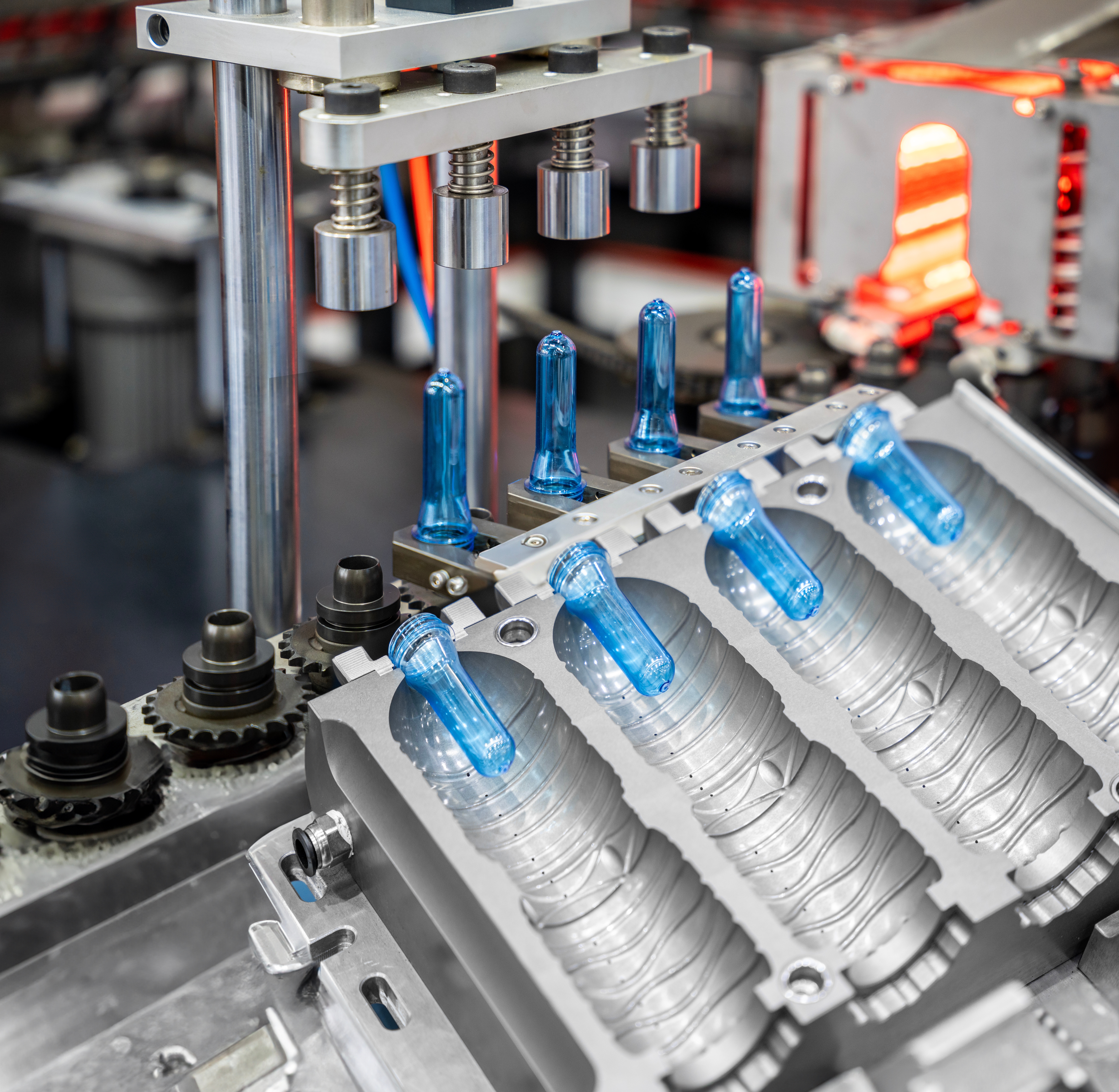
Lightweighting is the practice of engineering packaging to deliver the same protective function with less material. It’s one of the most effective tools available for sustainable packaging. It’s continuing to grow as companies realize how much environmental and commercial value can be generated when you make packaging a little bit leaner.
What Lightweighting Can Achieve

Voluntary lightweighting has accomplished more in the U.S. than most people realize. A report produced jointly by the American Institute for Packaging and the Environment (AMERIPEN), the Consumer Brands Association, and the Consumer Technology Association found that the U.S. packaging industry reduced total packaging volumes by approximately 5 million metric tons between 2019 and 2024, even as e-commerce growth simultaneously pushed packaging demand higher. The report cites lightweighting and material innovation as primary drivers behind the trend. Coca-Cola Europacific Partners reported that redesigning its 500 milliliter (ml) polyethylene terephthalate (PET) bottles with 15% less plastic saved nearly 10,000 tonnes of PET per year.

Every kilogram removed from a package is a kilogram that doesn’t need to be manufactured, shipped, or eventually recollected and potentially recycled At the individual unit level, the difference is small. At the volume levels that characterize the food, beverage, dairy, and household products industries, it adds up quickly.

One study shows that packaging emissions are generated in the production process, with manufacturing energy and raw material use represent a far larger share of a package’s total carbon footprint than transport or end of life. Reducing material use at the design stage cuts emissions at the point in the lifecycle where they’re most concentrated.

The transportation benefits shouldn’t be ignored either. A lighter package requires less fuel to move and allows more units per load. For brands with large distribution networks, those savings multiply across every truck, every shipment, and every delivery cycle.

Lightweighting and Recyclability Can Work Together

Thoughtfully designed lightweight packaging can also support recyclability by reducing complexity. Fewer layers, materials, and components make it easier for sorting facilities to identify and process a package correctly.

The key is designing for lightweighting and circularity at the same time, instead of treating them as separate engineering objectives. Removing unnecessary components such as colored caps, multilayer labels, and mixed material layers can reduce weight and improve recyclability at the same time, provided the removed material isn’t vital to the product’s longevity. Packaging must also remain thick enough to be properly shredded during recycling; material that’s too thin risks being rejected by sorting equipment or clogging shredders at material recovery facilities (MRFs). Packaging that is easier to sort and process is more likely to actually complete a circular loop.

ALPLA’s Eco-Bottle: Lightweighting in Dairy Packaging

ALPLA UK’s Eco-Bottle for milk and dairy makes the dual case in a single product. The bottle weighs roughly 20% less than comparable products on the market. It doesn’t compromise on the load-bearing capacity that dairy packaging requires to survive stacking, transport, and retail handling.

During development, ALPLA engineers eliminated the use of colored caps, which simultaneously reduced material complexity and enhanced recyclability by keeping the packaging compatible with existing high-density polyethylene (HDPE) sorting streams. The Eco-Bottle also incorporates up to 30% post-consumer recycled (PCR) content, combining material reduction with recycled input in the same format.

It’s packaging that costs less to make, less to ship, and generates less waste, while remaining fully recyclable.

How ALPLA’s Clear One Demonstrates Lightweighting in Refill Packaging

Most refill pouches currently on the market are made from multilayer films. These structures provide barrier performance but are considered difficult or impossible to recycle through conventional streams.

ALPLA’s Clear One addresses this challenge directly. The refill container weighs just 9.8 grams including its cap, and is made entirely from PET, a mono-material construction that works within an established recycling stream. It’s resealable, accommodates varying fill volumes, and can incorporate recycled PET (rPET) content, making it both lighter than conventional refill formats and significantly more recoverable at end of life.

Why Lightweighting Is Essential to Packaging Sustainability

Plastic remains the right choice for a wide range of packaging applications. It protects products from contamination and damage, reduces food waste by extending product shelf life, resists breakage during transport, and weighs significantly less than glass or metal alternatives performing comparable functions. The environmental argument for plastic packaging, properly designed and recovered, is well-supported by lifecycle data.

Lightweighting helps to strengthen that argument. Less material means less energy in production, fuel in transport, and waste at end of life. Lightweighting also can make packaging easier to sort and recover while integrating naturally with recycled content strategies.

The most sustainable package, in many cases, is an optimized one that does exactly what’s needed with exactly as much material as that requires, and nothing more. Getting there is an engineering challenge and a design discipline and the benefits that are well worth the investment.

Leave a Comment